L.L. Diamond

News, Blog, and Stories

I was playing around, looking for a book to allude to while writing a scene, when I came upon this one. At times, I see something and think, “That would be fun!” and this was one of those times. I do not mention it specifically by name…at least yet, but I couldn’t resist using it.

I knew the name Lady Caroline Lamb. Many who have a fascination with Regency England and literature do, but I knew of her more as the lover of Lord Byron rather than a writer in her own right. Lady Caroline was indeed a writer, though probably considered as scandalous as Byron, she likely also sold as many books as he did.

Glenarvon, the book Georgiana peruses in the story, was first published anonymously in 1816. Now, I say anonymously, but everyone in society knew Lady Lamb was the author. Even Lord Byron commented, “I read Glenarvon too by Caro Lamb….God damn!” Society at the time was well aware of her identity, though it did her no favours.

While Glenarvon is a Gothic tale, the story was actually that of her own affair with Lord Byron in which she included other prominent members of the Ton, under different names of course, and satirised them in the most unflattering terms.

The book was an undisputed success. The entire first run sold out, and further editions were printed, so one cannot say her efforts were for nothing; however, her already poor reputation was ruined and she became ostracised from the Ton.

The strange part is that Lady Caroline did not become a pariah on account of making her love affair public. The fact that she and Byron were lovers was far from a secret. It was in fact quite well-publicised. Rather, it was her unflattering satirisation of several high-ranking members of the Ton–including Lady Jersey, who led to her downfall (In retribution, Lady Jersey cancelled Lady Caroline’s Almack’s vouchers. By the efforts of family members, she did have her vouchers reinstated in 1819, but it did not do much to repair the damage.)

Glenarvon has been in and out of print since the 19th century. It’s last printing was in 1995, and has since been called an early work of feminism, though some consider it “hysterical” and incoherent. As Lady Caroline was known to abuse alcohol and laudanum and have mental instability, incoherent is a distinct possibility.

Lady Caroline Lamb published three other works in her lifetime: Graham Hamilton (1822), Ada Reis (1823), and Penruddock (1823).

Sources:
https://en.wikipedia.org/wiki/Lady_Caroline_Lamb
https://en.wikipedia.org/wiki/Glenarvon
http://www.sjsu.edu/faculty/douglass/caro/works_glenarvon.html
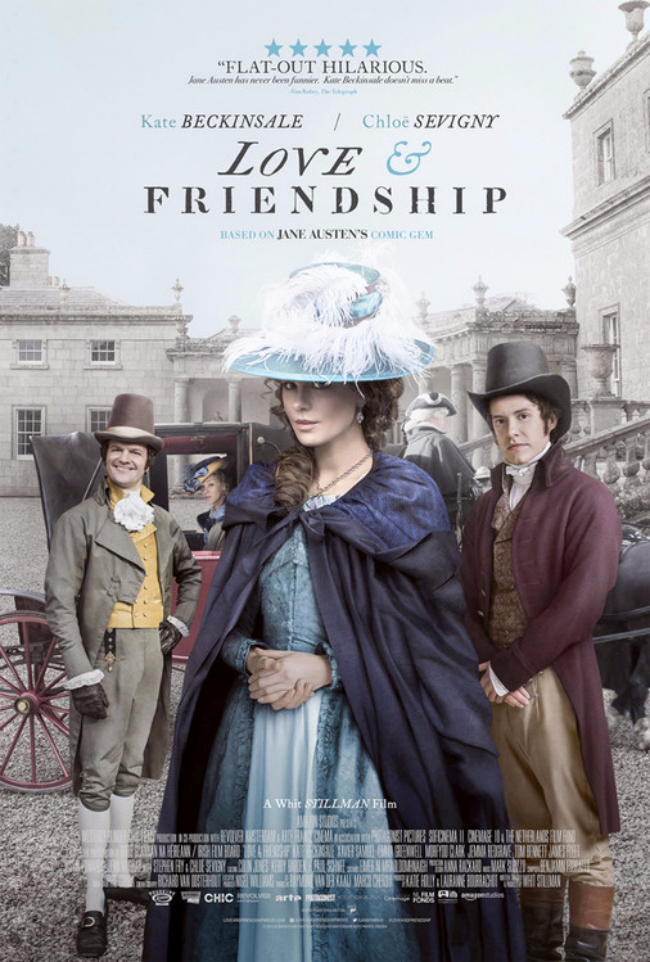
posterTo be honest, I don’t know how to give a specific rating for this movie. I keep thinking of Robin Williams in Dead Poets Society saying, “How do you rate poetry?” I’m not saying this movie is poetry, but it’s just something I can’t assign a specific number of stars.

That said, I liked Love and Friendship, though I’m not going to claim it was a flawless masterpiece. I had bits I liked and bits I didn’t. As a Janeite, little things sometimes bug me, and it would seem like a trifling with this movie, but there were a few little things.

I’d watched the hubbub when Love and Friendship hit theatres and watched the trailers, eagerly awaiting its release on DVD. My husband added us to the waiting list at the library when we had word they would have it. We were  the first to check out the copy.

Now, one of the first criticisms I heard of Love and Friendship from others was the costuming. I read someone complaining that the characters were wearing Georgian gowns rather than Regency. Most historian’s or Janeites, have a time period in which they associate one of Jane Austen’s works. Lady Susan is believed to have been written in 1794, and I would imagine the artists and fashion designers were attempting a late 18th century look rather than the look we associate with Regency, which began in 1811. Fashion plates from 1794 do feature the more Regency-looking empire waistline gowns, but there are Robes a la Anglaise dated to this time period as well. I suppose, they wanted a consistent look to the movie rather than some wearing more modern gowns versus the older styles. Overall, the costuming was lovely, and to be honest, I didn’t have an issue with it.

My only criticism before watching the movie was the title. The movie Love and Friendship is taken from Jane Austen’s epistolary (in letters) novel Lady Susan, who is Kate Beckinsale’s character in the film. What bugged me about the title change is that another of Jane Austen’s juvenilia is called Love and Friendship, and bears no characters in common and no similarity other than it also being in epistolary form. Try to look up Jane Austen’s actual story online these days, and you get a plethora of posts about the movie rather than the book. Grrr! 🙂

Regardless of my gripe with the title, I still really itched to see this movie, and I did enjoy it. I thought Kate Beckinsale was delightful as Lady Susan and I really loved Chloe Sevigny as her great friend and American (gasp!), Alicia Johnson. The two of them played brilliantly off the other and the quips about Mr. Johnson (Stephen Fry) sending her back to the wilds of Connecticut or having a more severe case of gout next time were really amusing.

However (Oh, come on! There had to be a however!), I found the flow to be choppy. Scenes were started and sometimes they felt like they were cut too soon, or the one-liner was delivered so the scene was over. My husband even commented about half-way into the movie that it seemed to be nothing but a series of one-liners.

I will also say that my husband, who is not a Jane Austen fan, but agreed to watch this for me (Who am I kidding! More to watch Kate Beckinsale!) became quite confused as to some of the characters. I don’t think he really grasped who Lord Manwaring was at the beginning which caused him to ask questions when the Manwaring’s names were brought up later in the film.

For those who are Jane Austen fans, I would say go and watch it to decide for yourself. I would never say watching it was a waste of time. I enjoyed it. But I won’t go running out to buy my own copy. As much as I love Jane Austen, I think I will wait and see if a version I like better is released.


Have you watched Love and Friendship? If so, I’d love to hear your thoughts!


IMG_2299I know, I gush about Bath on here, but I always have such a great time when I go. I first travelled to Bath last year for the Jane Austen Festival, and then for a family holiday in March. This year, I returned for the festival and to have a girls’ weekend with some friends.

img_2746

If you haven’t read it, don’t miss out!

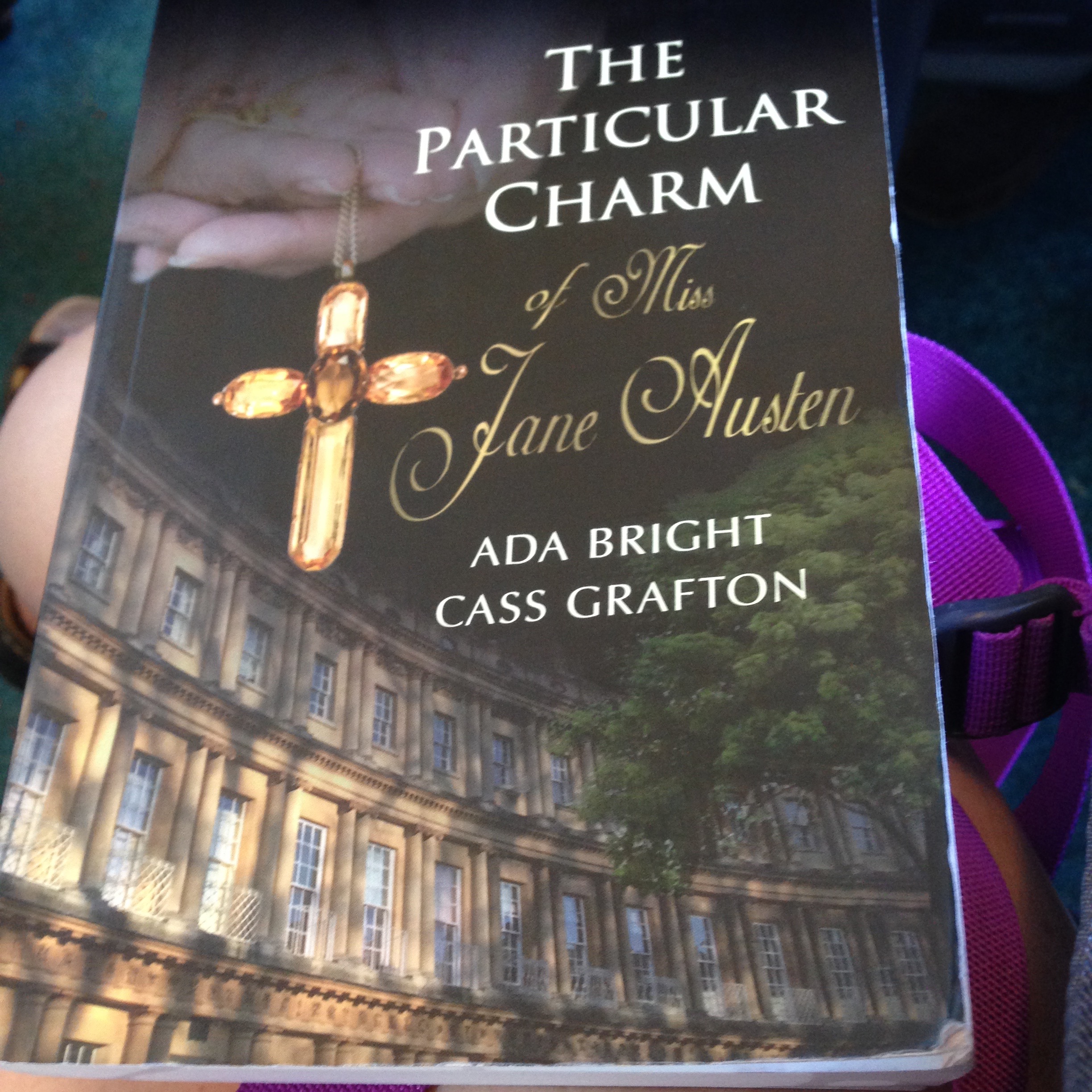
As has become my habit, I took the train, which I adore doing. I generally prefer to travel England by train than car, but the method has become how I always go to Bath–it’s become a bit special for that trip. I’m not always a big reader on the train, but I brought along Cass Grafton and Ada Bright’s new book, The Particular Charm of Miss Jane Austen, which kept me entertained as I zipped through the English countryside.

It was no coincidence that my roomie for the weekend (I travelled in on Friday and departed on Monday), was none other than Cass Grafton herself. We first met at Jane Austen Regency Week last year and became fast friends. I’m not a huge fan of staying alone when I travel, and she came to my rescue with a great flat in my favourite part of town. One day, I do want to stay at 4 Sydney Place, but I will never complain about Great Pultney Street!

14322329_644465625720189_1279158204968452842_nMost of my time this trip was spent visiting with Cass and doing a bit of shopping, but we did meet up with a few friends along the way as well. I had a great time at dinner Friday night when Cass and I met up with fellow JAFF author Alexa Adams. Nothing like wine and great conversation to spend an evening! We were staying close to one another, so we even walked back to that part of town, taking a quick stop for a selfie in front of the Abbey.

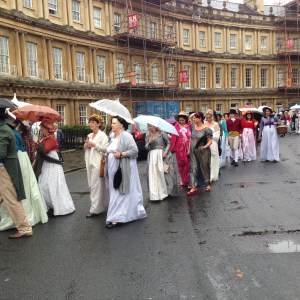
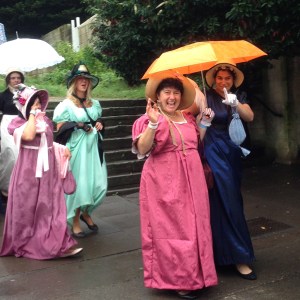
Saturday was a bit dreary, but we walked up to the Assembly Rooms to watch the promenade and see everyone in their best Regency finery. I always like to bring home special items for my children, so I did a little shopping before I met Cass and an old friend of hers for lunch.

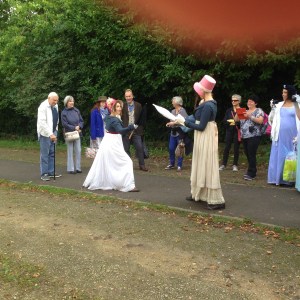
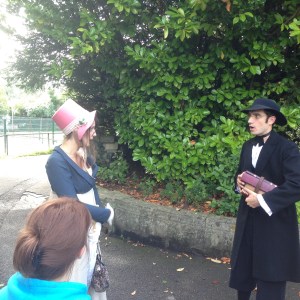
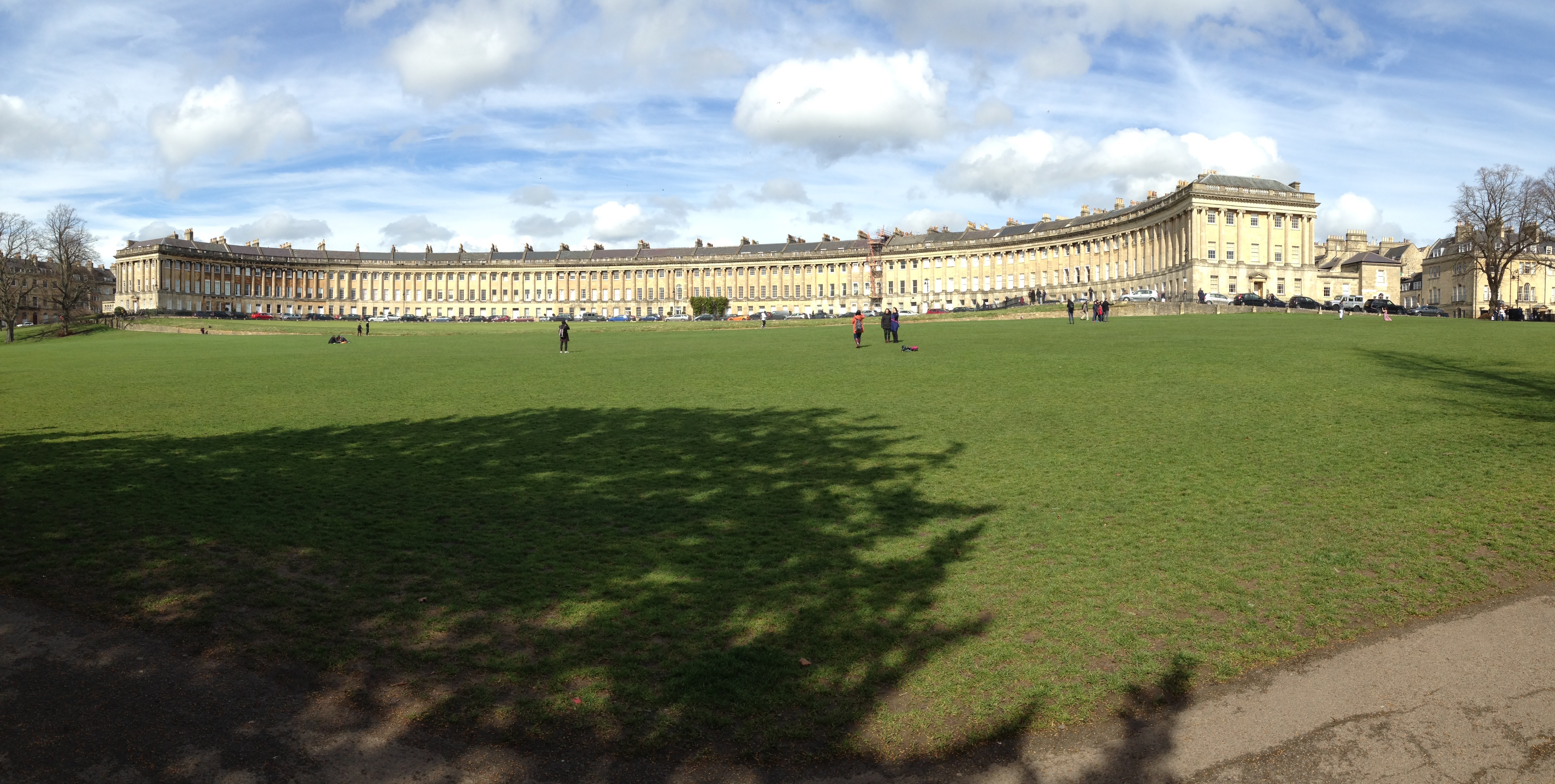
I spent the afternoon on a comedy walk of Bath. Natural Theatre Company does a play called Austen Undone that is performed as the characters take you on a walk through Bath with the Gravel Walk and Royal Crescent being a part of the tour. The performers were excellent and even engaged the spectators so we were a part of the fun. I certainly recommend Austen Undone to anyone who is in Bath for the festival. I laughed so hard and when Alexa Adams and I happened upon the vicar after the performance, he remained in character and held a conversation with us when we wished him luck. It was a great time!


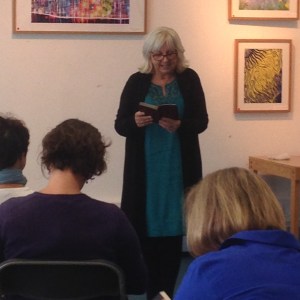
Sunday, we walked down to the public library for a reading of Sense and Sensibility. Jane Odiwe read the second chapter, and she did a brilliant job of capturing the tone and the humour of Austen’s work.

Jane, Cass, and I talked over glasses of wine and dinner. We had a marvellous time and I truly enjoyed the afternoon.

My trips to Bath are always over so quickly, and this one was no different. Before I knew it, I was finishing The Particular Charm of Jane Austen on the train home. I had hoped to stop in Platform 9 3/4 at Kings Cross before I left London, but I didn’t even have time if I wanted a ride home from the train station!


Up next… Honestly, I have no idea!

For those who are fascinated with legends of King Arthur, Tintagel Castle on the north coast of Cornwall is a must-see. The site has been dated back to the Romano-British period by the discovery of artefacts dating to that time period. It was definitely a settlement during the medieval period and in 1233, Richard, Earl of Cornwall built a castle on the site.

Geoffrey of Monmouth first claimed Tintagel was the site where Arthur was conceived before Richard built the castle. In Historia Regum Brittaniae, Monmouth claimed Merlin disguised Uther of Pendragon to look like Gorlois, the Duke of Cornwall and husband of Igraine, who was Arthur’s mother. The belief of the link to Arthur was reinforced when Tennyson wrote ‘Idylls of the King’ in the Victorian period.

What remains of Tintagel is located on Tintagel island near the village of the same name and is now operated by English Heritage. There is a great deal of walking and stair climbing involved, which is something to keep in mind. We planned our visit for the last day of hour holiday, which turned out to be rainy and cold.

Parking is plentiful when you arrive, and it’s only a short walk to the English Heritage building where you check in for Tintagel. There is a separately operating shuttle that will drive people closer to the actual castle or you can walk it as we did.

img_2602When you begin the trek upwards, you start with this dirt path (muddy on rainy days) up to where the outer castle wall was. This part isn’t too steep, and you begin to have some lovely views once you reach the first portion of the ruins.

Tintagel Castle, like many old castles and homes in Britain, have different structures and walls from different time periods.

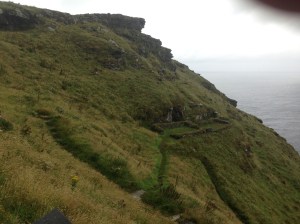
Tintagel at one time had a portion of the castle on the mainland and a portion of the castle or a bridge brought you over the water to the island. Unfortunately, that bit crumbled into the sea at some point, but a bridge has since been constructed so people can cross from the mainland ruins to those on the island. You can still see what is left of the original stairs in the second picture below.

Once you’ve crossed the bridge, you climb up a rocky set of stairs on the side of the island. If it’s wet, I recommend not being in a hurry as some of the steps are steeper than others and if you slip, the rocks would be rather unforgiving.

The views and the ruins are definitely worth the hike uphill!

Once you are across there are signs with history just like any English Heritage site as well as plenty of gorgeous views. I did have a fit of nerves watching my fourteen year old, who liked to step near the edge of some of the cliff-like sides. My husband would go with her, but it still made me nervous.

I will say that when you are ready to leave, you have to exit the same way you came in, so back down the crazy length of steps. You can also go down to the beach and go inside “Merlin’s Cave.”

I will say if you’re anywhere near Tintagel, don’t miss it! Legend aside, the different portions and excavations of buildings all built in different centuries if not ages, is fascinating and the views are incredible.

That said, please excuse my finger, which insisted on being in a few of the shots. That is one problem with a rainy day like that–I just won’t bring my nice camera outside. I used my phone and I often get my hands in the way.


Coming up next…Jane Austen Festival, Bath!!!!


How is it October already!!! I know, October is more than half-over and I feel as though I started running and suddenly stopped to discover a month had passed. It seems yesterday as I took my almost daily drive to swimming, I would watch the hedgerows along the stretch of road slowly turn from brown to green. As I passed them this weekend and started into town, I was struck by the yellow and brown of the leaves as they fell in the wind and drizzly rain. Autumn has certainly arrived.

I have a lot planned for the next month or so. Here’s just the highlights. 🙂

I fully plan to continue Expat’s Travel Guide with my post on Tintagel. It’s partially written and just waiting. I’ll hopefully finish that this week and get it posted. Tintagel was the last place we visited on our trip to Devon and Cornwall, so after, comes my September trip to Bath for the Jane Austen Festival. I may have to split that one into more than one post since my roomie for the weekend, Cassandra Grafton, and I solemnly swore to be up to no good that weekend. I believe we exceeded our expectations on the matter 😉

Coming up this month and into November (November?! Meep!), I have the Halloween Day post at Austen Variations. I am planning another instalment of the 50 Shades of Jane…? silliness I’ve been writing this year, so I hope you’ll stop by for a read.

On November 11, I’m posting an excerpt from Particular Intentions at Austen Variations for Netherfield in November. If you haven’t read Particular Intentions and would like a preview beyond what is offered on Amazon, come on by for a look-see.

One November 15, I have a guest post at A Covent Garden Gilflurt’s Guide to Life. I have several ideas, but I desperately need to choose one and soon for this!

As for writing not of the blog variety, I’m playing around with a sequel to Particular Intentions from Georgiana’s point of view. It is a bit slow going at the moment, but I have five chapters completed. I have a feeling if I can get past this ball, it might start flowing a bit faster… I hope!


imgp9164

Berry Pomeroy Castle

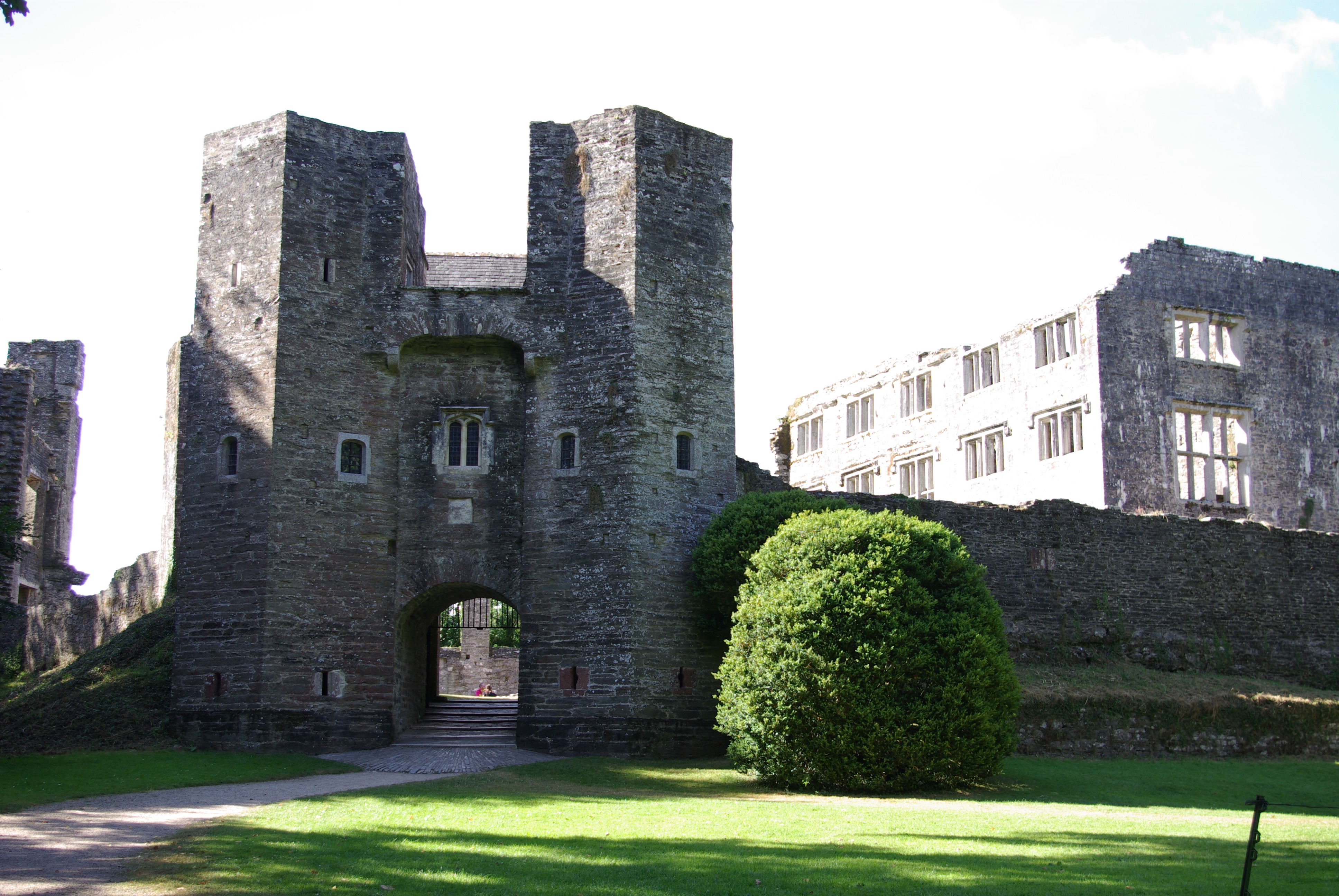
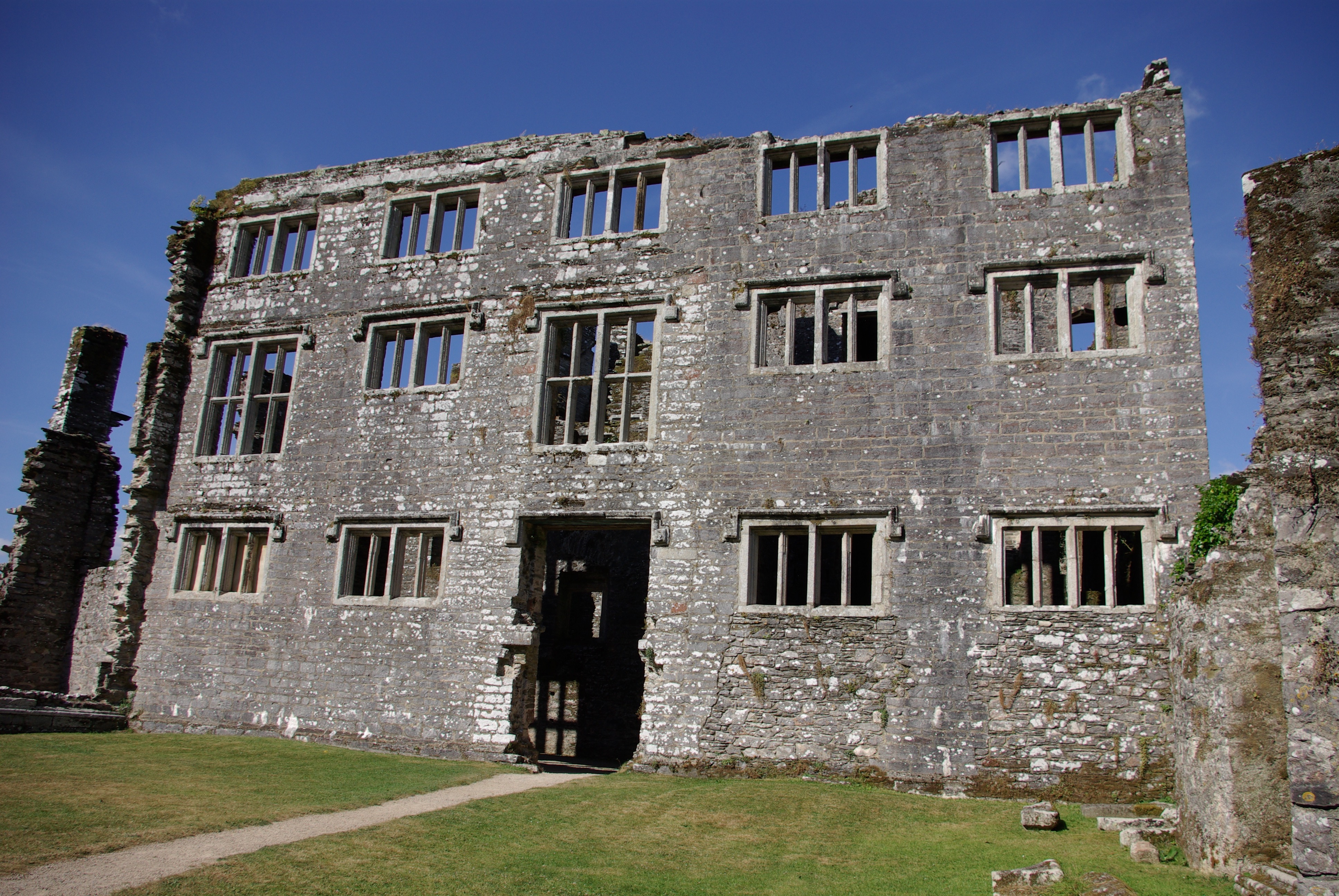
Tucked away just outside a village of the same name in Devon is Berry Pomeroy Castle. This castle is quite unique in many ways. The land was first awarded to Ralph de Pomeroy by William the Conqueror as a reward for his loyalty during the Norman invasion and the Battle of Hastings. Some sources claim the construction of the castle began in the late 15th century and some the late 14th. English Heritage, who now owns and runs the site, claims 15th. The Pomeroys fell into debt and the land and the castle were sold to Edward Seymour, the first Duke of Somerset, in 1547.

(In the event you are wondering if Edward Seymour is the same family as Jane Seymour, wife of Henry VIII, then yes, Edward Seymour was her eldest brother. He was also Lord Protector of Henry VIII’s only son with Jane Seymour.)

imgp9163

Remains of the Seymour House

Seymour began a project in the hopes of making the family home there one of the greatest in England, and if you look at the photos of the front of the castle, you can see what remains of the Seymour house to the right.

Seymour was executed by the crown in 1552 and his lands for a time were forfeit, yet they were later re-instated to the family. The Seymour family remained at Berry Pomeroy until the late 17th century when the castle was abandoned when the current owner, Sir Edward Seymour (fourth Baronet) moved to Wiltshire.

The ruins of Berry Pomeroy Castle were rather popular in the late 18th century when the Romantic era favoured castles and other structures beaten down by rain and time. Berry Pomeroy during this time was overgrown with ivy and commonly visited by artists and even illustrations of the place were featured in books of the era.

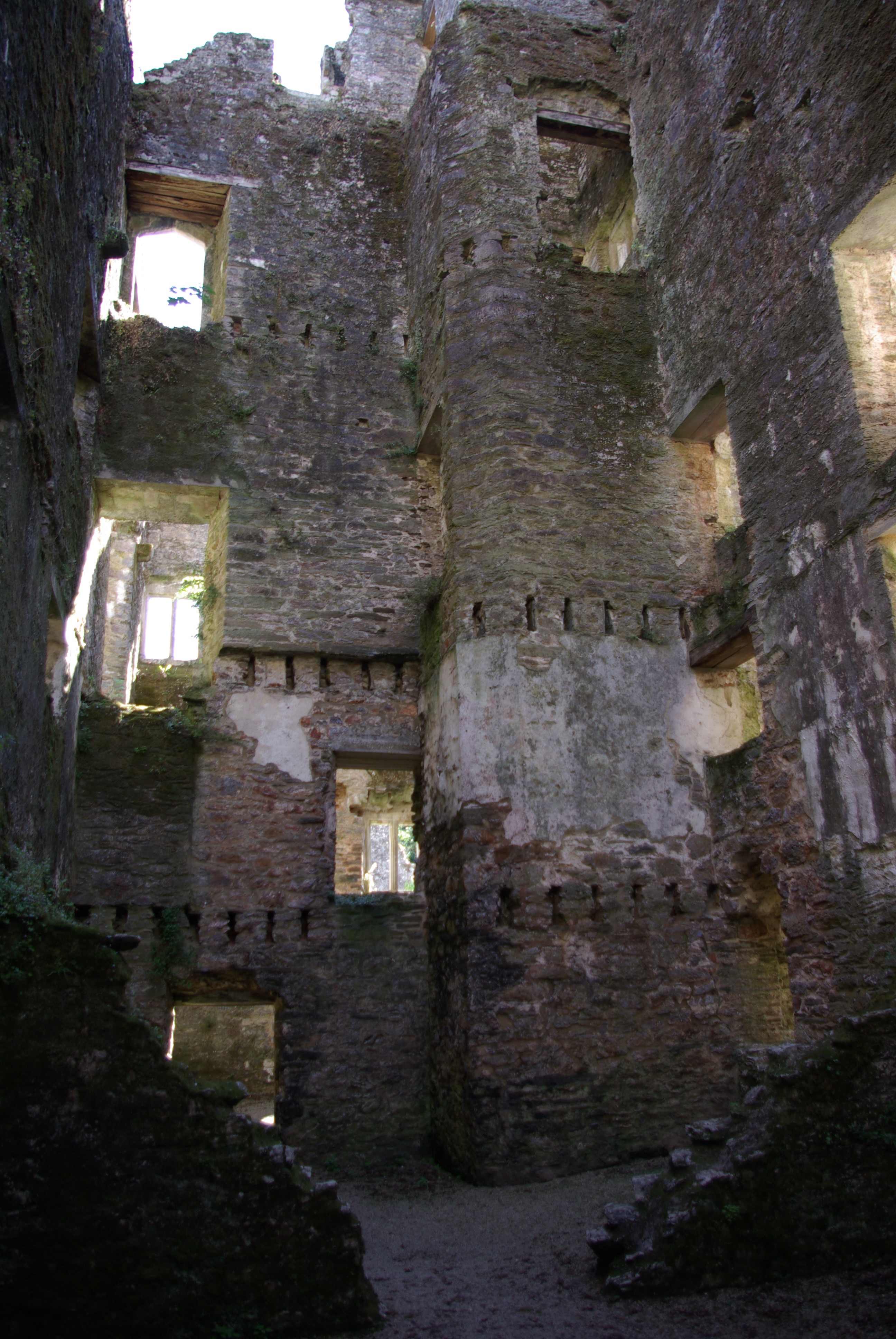
imgp9143Now, Berry Pomeroy still sits in the same valley. It is no longer covered by ivy, but surrounded by a thick wood to the rear of the property. Guard rails and other protective measures allow tourists to walk through what is left of the structure and there is still a portcullis and you can see where hot liquids could be poured down on any attacking enemy.

For those who enjoy haunted sites. Berry Pomeroy is said to be haunted by a number of ghosts and supposedly one of the most haunted castles in Britain. The “White Lady” is said to haunt the dungeons. She rises from there to  St. Margaret’s Tower when she is seen. It is thought she is the ghost of Margaret Pomeroy. Margaret had the misfortune of loving the same man as her sister Eleanor. Because Margaret was more beautiful, Eleanor locked her in the dungeon until she starved to death.

Another spectre, is the Blue Lady. She beckons help from passers-by and lures them into one of the towers where the unsuspecting helper falls to their death (thank goodness we didn’t see her!). It is suspected she is the daughter of a Norman Lord who wanders the dungeons mourning the loss of her baby, which it is said she murdered.

There is also the story of the Pomeroy brothers, who were besieged in the castle; however, rather than accepting defeat, they donned their full amour, mounted their horses, and leapt from the castle ramparts. This part of the castle is still called “Pomeroy’s leap.” It is claimed the ghosts of the two brothers have been spotted here.

berry_pomeroy_church_-_geograph-org-uk_-_1090704

Berry Pomeroy Church

Berry Pomeroy is not far from Torquay, but once you turn off the main road, it is a lot of little one-laned roads. I am still bummed I missed a photo of the church from the end of Emma Thompson’s Sense and Sensibility. I was driving when I came to the end of one of those tiny roads, looked up, and there it was. I thought I would catch it on the way back, but the GPS/SatNav took us a completely different route. Figures!


Next: Tintagel, Cornwall


Image of Berry Pomeroy Church: Image Copyright Paul Hutchinson. This work is licensed under the Creative Commons Attribution-Share Alike 2.0 Generic Licence. To view a copy of this licence, visit http://creativecommons.org/licenses/by-sa/2.0/ or send a letter to Creative Commons, 171 Second Street, Suite 300, San Francisco, California, 94105, USA


Sources:
https://en.wikipedia.org/wiki/Berry_Pomeroy_Castle
http://totallyhaunted.co.uk/berry-pomeroy-castle.php
http://www.english-heritage.org.uk/visit/places/berry-pomeroy-castle/
IMGP9020

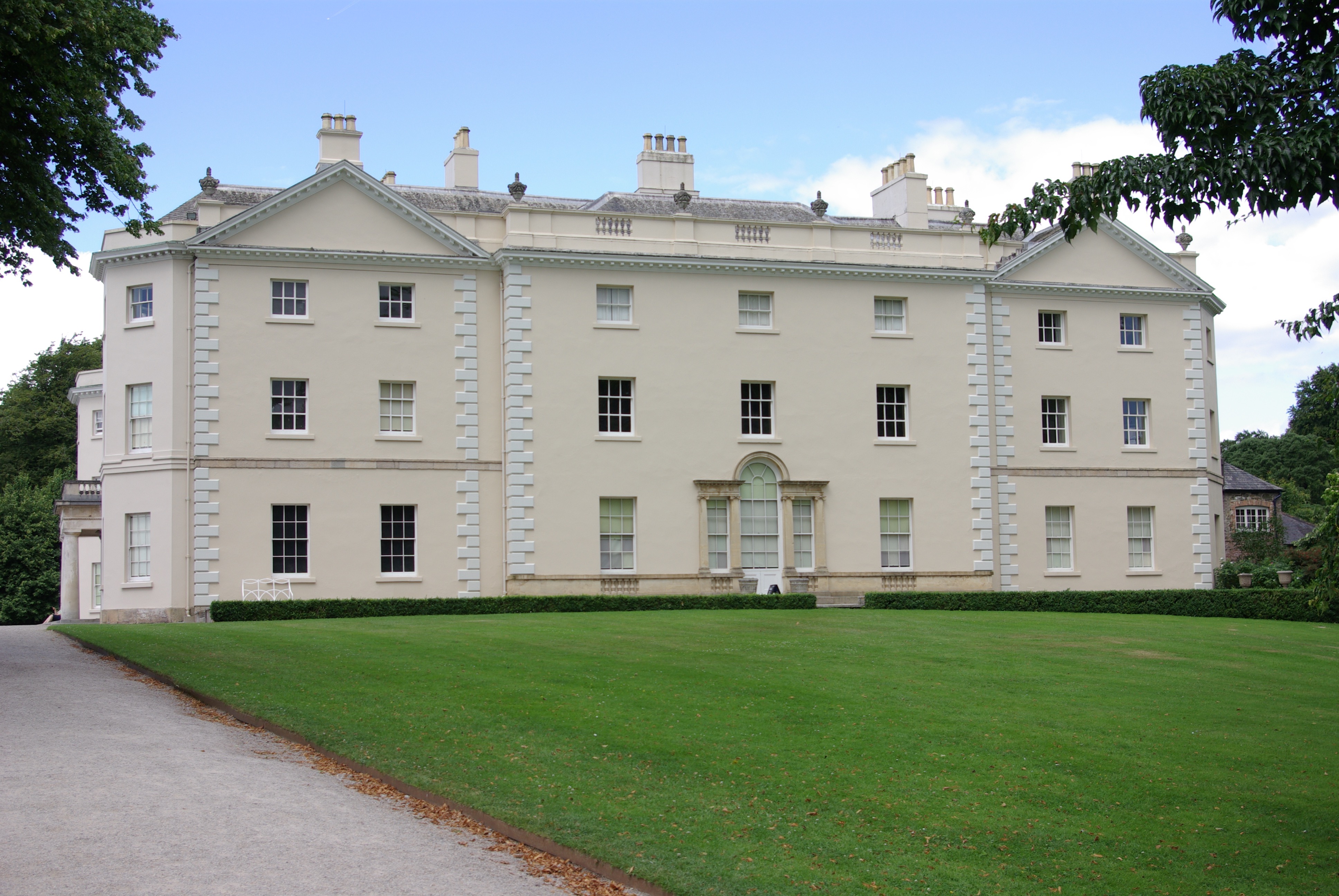
If you’ve ever seen Emma Thompson’s version of Sense and Sensibility, you might recognise Saltram House. This beautiful home served as Norland Park, home of the Dashwood family. It also has a personal connection to Jane Austen in that the famous author was friends with Frances, who was the Countess of Morely. Not only is it reported that Jane Austen gave Frances one of the first editions of Emma, but also it has been speculated that her husband, the Earl of Morely, was the model for Mr. Darcy. Whether such speculation is true is, of course, information Jane took to her grave, but still fun trivia!

Saltram House is thought to have been built during the reign of George II when the pre-existing Tudor home was integrated into a new Palladian style. The home changed hands several times until it was purchased by the Parker family in 1712.

Now, if you’re an art lover, you must see Saltram. One could say that about quite a number of homes, but the Parker family were friends with Sir Joshua Reynolds, so at least one portrait by the famous painter can be found in almost every room. I was pleasantly surprised and thrilled to find a few histories by Angelica Kauffman along the famous stairwell that features into one of the best scenes in Sense and Sensibility (in my opinion anyway 🙂  ). I’ve seen a few portraits by Kauffman, but loved seeing these history paintings since women so seldom painted them during that time period.

The house is lovely on the inside and I thoroughly enjoyed the interior. Websites and rumours abound online that the home is haunted, though, much to the disappointment of my daughters, no ghosts were seen, and the staff claimed to know nothing of the reported ghosts.

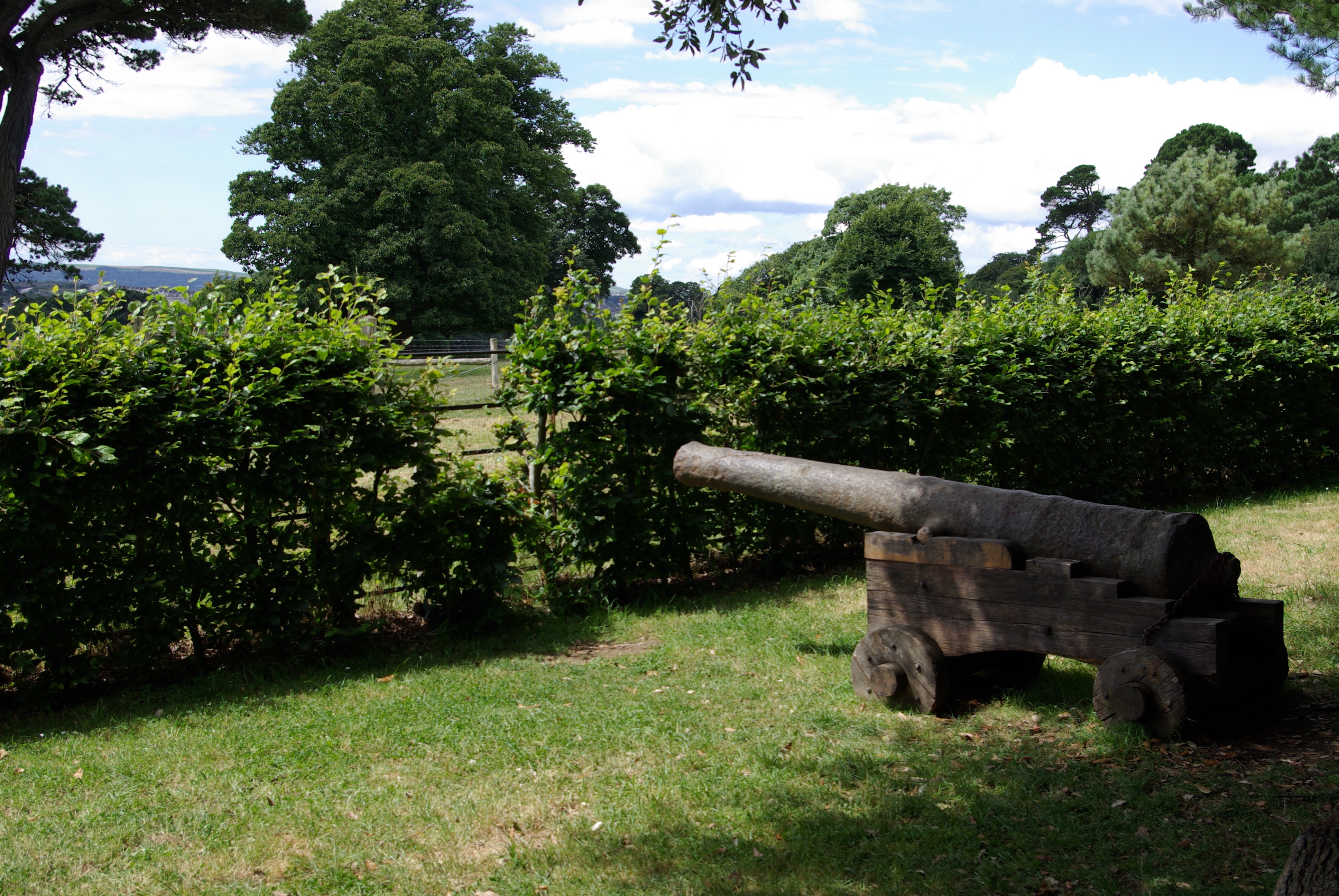
The grounds are beautiful and just like every National Trust property, there are trails you can wander for days. If you enjoy taking your dog, then you must stick to the outer trails as dogs are not allowed within the main portion of the park.

The outer trails are definitely not boring. There is a nice long walk that wraps around the property and runs alongside an estuary as the house is not far from the coastline.

Just make sure your camera works when you go through this pretty house. My settings were not right, and I had to walk back through and take new shots of what I missed–not that I minded one bit 😉

Whether you are a Jane Austen fan or not, I think anyone can find something to appreciate at Saltram.

Sources:
https://en.wikipedia.org/wiki/Saltram_House
https://www.nationaltrust.org.uk/saltram#Overview
http://www.bbc.co.uk/devon/outdoors/walks/saltram.shtml
http://www.telegraph.co.uk/culture/books/11569673/Jane-Austens-real-Mr-Darcy-unmasked-by-historian.html
e-book Cover

e-book Cover

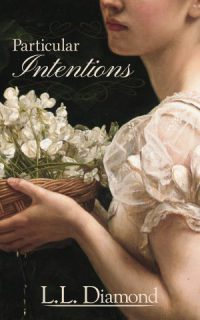
Particular Intentions is released! I can once again breathe a bit easier while I hope that everyone is enjoying my new book. Big hugs and thanks to everyone who has already purchased their copy. Your support is what keeps me doing something I love.

Now, I have the second part of the Netherfield ball from Lydia’s point of view for y’all to read and a giveaway, so don’t read and run! Make sure you comment to enter!
If you missed the first part, you can find it here at Austen Variations.


Her father was mortifying! Why did he suddenly care with whom she danced and socialised? He huffed and crossed her arms over her chest as Kitty moved by on Saunderson’s arm. Why did Kitty get to dance and not her? She had always been more popular with the officer! It was not fair!

“If you had not disregarded my wishes, you would be dancing as your sister is.”

“We were to visit the refreshment table, Papa. Nothing untoward could happen while we drink punch.” She scanned the room. Where was Mama? She would not countenance her father’s restrictions.

“I shall not argue with you. Just know you are here by your own design.”

With a huff, she dropped against the wall behind her. He was so unfair!

“Lydia! Why are you not dancing?”

Her mother! She sprang from the wall and clasped to her mother’s arm. “I was to visit the refreshment table after my dance with Denny, but Papa pulled me away. I was so embarrassed! He would not even let me dance the next!”

Her mother stared at her father, her mouth agape and her eyes bulging. “Mr. Bennet!”

“I must confess I do not believe for one moment you were destined for the refreshment table, and in the future, Lieutenant Denny will not be permitted to dance with my daughters.” He glanced to Mary, sitting in the corner reading a book. “Not that I believe some will care.”

Lydia gave a loud exclamation and flounced back against the wall once more. “He is ruining the ball!”

Mama placed a hand to her arm. “You cannot mean to keep her from partaking in the activity for the entire evening?”

“If she cannot follow my simple instructions, then yes, Mrs. Bennet, I do.”

“But my daughters must find husbands!”

“Lydia will not find a suitor behaving as she does. In fact, I would bet my life she agreed to walk outside with this Lieutenant Denny, which could damage her reputation irrevocably as well as that of her sisters. No, Lydia will do as I say or make herself miserable.”

“But she is out! You cannot return her to the nursery!”

Lydia bit her lip and did her best not to bounce on her toes. Her father always capitulated when her mother used that shrill tone.

“If she does not learn, then I shall do just that. I will not have her create a scandal with one of these rakes in a red uniform.”

“Oh, Mr. Bennet!”

“If Mr. Darcy’s courtship of Lizzy continues as it should, you will have a home after I die. He is an honourable man and would not leave you and my remaining daughters to starve in the hedgerows. Lydia is too young for marriage and I will not see her wed before she is at least seventeen.”

“Oh, Mr. Bennet!” Her mother dabbed at her eyes, but her father merely rolled his eyes and returned his attention to Kitty.

Why would he not listen?

“Mrs. Bennet!” her Aunt Philips loudly whispered from several feet away. “You will never guess what I just heard!”

Her mother’s head darted to Aunt Philips, to Mr. Bennet, and then to Lydia. “My dear girl. Take care to enjoy yourself as much as you can.”

Lydia stomped her foot. “But you must help me! I am so bored!”

Without even so much as a turn back, her mother hastened to Aunt Philips side. Her aunt grasped her mother’s forearm and began to whisper in her ear.

She whimpered and crossed her arms over her chest again. How she wanted to cry!

Kitty bounded up on Saunderson’s arm with a wide smile on her face. The little traitor!

“Miss Lydia,” began Saunderson in an unsure manner. “May I have the next dance?”

Her mouth opened but the voice that reached her ears was not her own.

“I apologise but my daughter is not at liberty to accept invitations to dance at present.”

She made a loud wail of protest, causing a few people nearby to stop and stare. With an abrupt motion, she jerked her chin upwards. They could all hang for what she cared! No one present had to endure her father’s injustice as she had this evening. After all, they could do what they liked.

“But Papa! ‘Tis the supper set!”

“And yet, I am unmoved.”

An officer applied to her father for Kitty’s next set and her sister flounced back to the dance floor on his arm.

“If you will cease your pouting, I shall dance with you.”

She huffed. “I could not stand up with my father! How humiliating!”

With a long sigh, he faced the floor to watch Kitty once more. Perhaps he was as annoyed and bored as she was. Well, if he was, it was his own fault! She was not a child and had no intention of being treated as one!


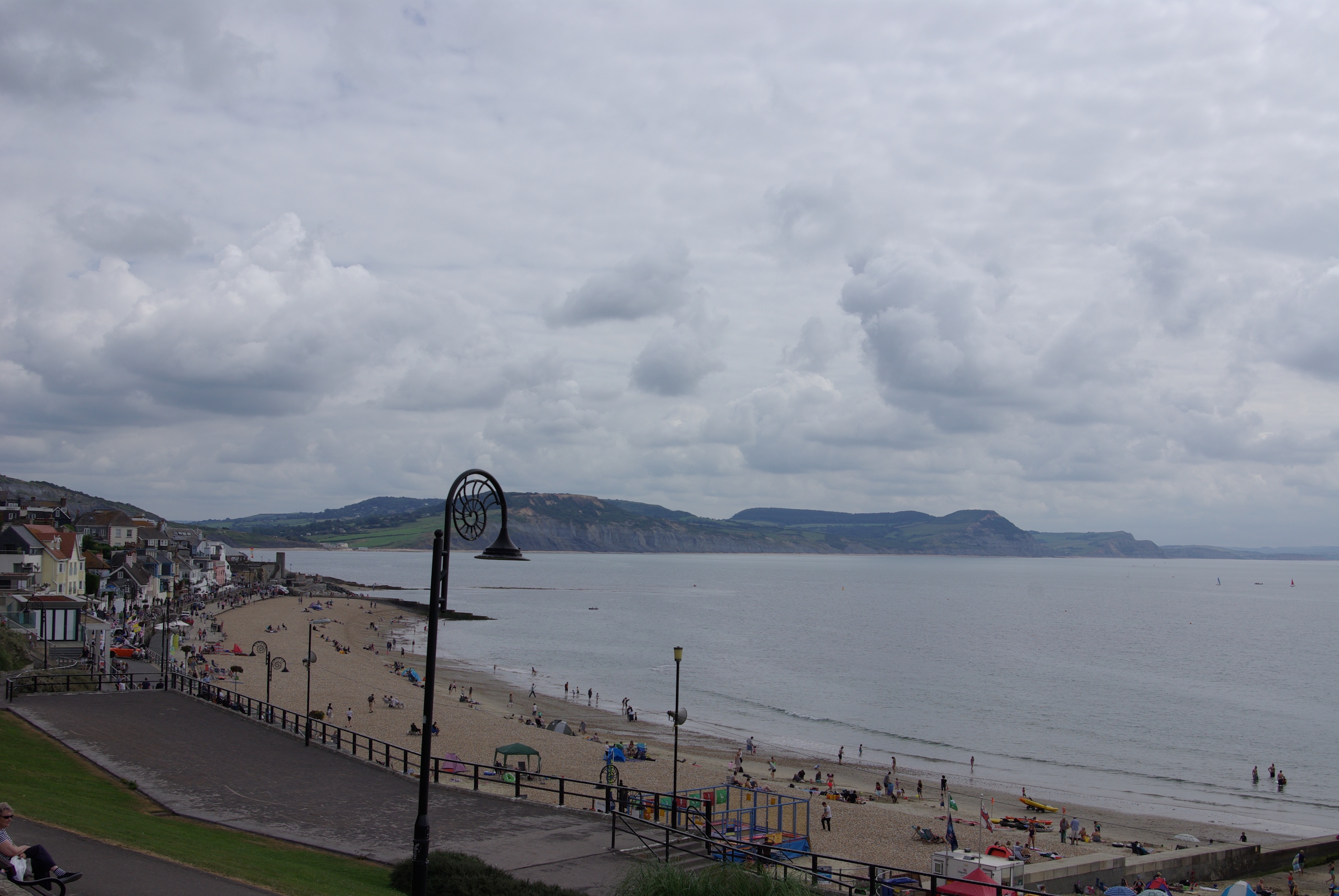
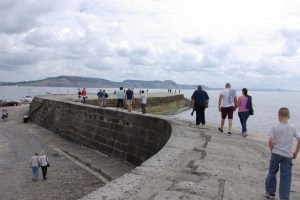
Our trip might have been to Devon, but when I mapped and realised we were but an hour from Lyme Regis in Dorset, so I insisted we go. I will say that even though I wanted to go see the Cobb, Lyme did have something for all of us!

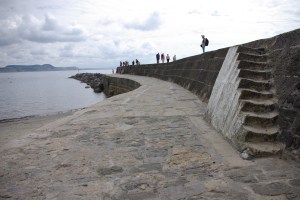
Lyme is first mentioned in historical documents in 774 as well as the Domesday book, but it wasn’t until 1284 that it received its royal charter and became Lyme Regis. At the time, the small artificial harbour, called the Cobb, was the reason for Lyme’s existence. The Cobb helps form the harbour as well as functions as a barrier protecting Lyme from damage from southwesterly gales. Around 1780, Lyme was a larger port than Liverpool!

Of course, any of us who are fans of Jane Austen remember that Louisa Musgrove fell from the Cobb in Persuasion. Jane Austen visited Lyme in 1804 and it must have made quite the impression as she used it in Persuasion and Northanger Abbey. If you’ve read her letters, you’ve no doubt read of the time she spent in Lyme and know of the influence it had on her.

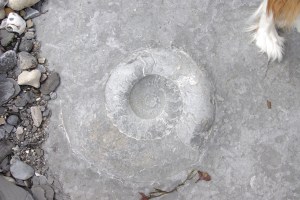
Another fun fact about Lyme is it is on what is called the “Jurassic Coast” of England, which is 95 miles of shoreline between Exmouth in East Devon and Studland Bay in Dorset. The views are amazing and not only that, but it’s 185 million years (Jurassic, Triassic, and Cretaceous period) worth of fossils. You can’t remove anything large, and that’s a wonderful thing as there are some truly wonderful fossils that remain as a result. It is no wonder that this coastline is a World Heritage Site.

First view of Lyme

First view of Lyme

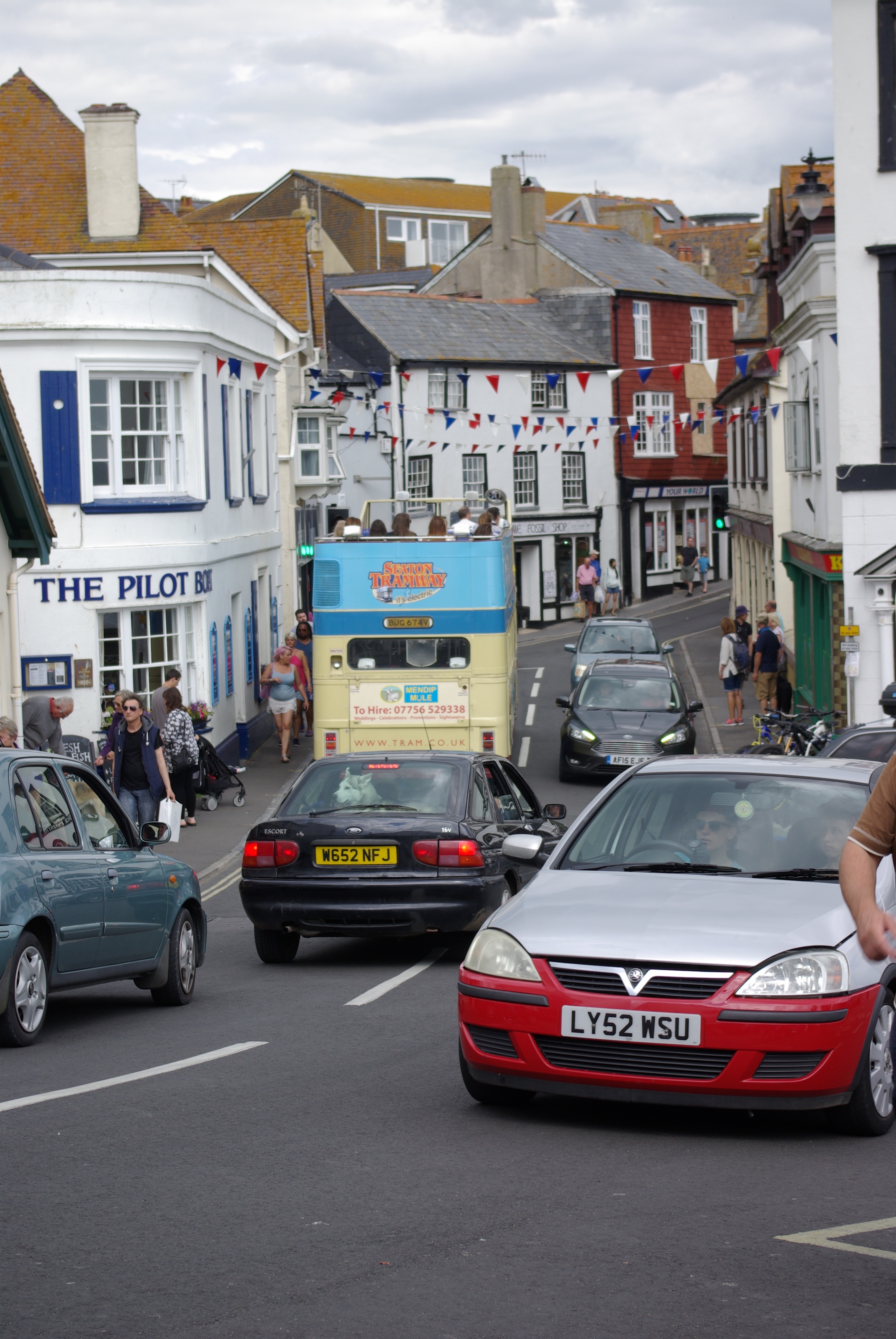
So, what is it like to visit Lyme! Considering how packed the beach was, parking was not a trial. We came first thing in the morning, though, and there were a lot of people parking at the same time we were. I will say that the car park was not expensive (It’s a pay and display), and was cheaper than the Park and Ride we noticed driving in.

From the car park, we followed the crowd down the hill to the coast. We travelled in early August and it was definitely touristy! I would love to go again in the off-season to get pictures when everything isn’t so crowded! The sandy beach was packed, but we really didn’t travel to Lyme for the sandy beach.

We walked the Cobb first. The children loved going up and down the steps, including the “Granny’s Teeth,” which are the crazy barely there steps where Louisa Musgrove took her fall. That didn’t make me nervous at all! (Can you hear the sarcasm there!)

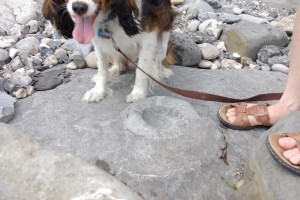
After walking the Cobb, we went down the shale beach until we started seeing fossils. Some are not very distinct and there are a lot on one rock, or you might have one that is very pronounced and on an enormous rock. We probably spent close to an hour or two fossil hunting and taking photos of our favourite before we walked back.

Busy town centre

Busy town centre

We ate outdoors at one of the pubs near the Cobb. My daughter wanted to go onto the sand beach for a bit, so we made our way through everyone on their blankets so she could dip her toes and walked through the town and back uphill to our car so we could make the hour-long drive back to Devon.

I will say that if you’re in the area, Lyme is a must see for so many reasons! The town is quaint, the coastline is beautiful, and I enjoyed Lyme thoroughly!

Next up… Saltram!

Sources:
http://www.historic-uk.com/HistoryMagazine/DestinationsUK/Lyme-Regis/
http://jurassiccoast.org/about/what-is-the-jurassic-coast/


So, my friends and my children have had quite the giggle over this one, but don’t look at it and pronounce it as you might a French word. It isn’t La cock, it’s Lay-cuck. Sorry for the weird description, but that’s the best way I can think to show it.

We drove from north of London to Devon and decided to make a mid-way of sorts stop in Lacock to walk around and maybe have a bite to eat. Things didn’t work out quite as we planned.

First off, we traveled with our dog, who isn’t one to misbehave, but did make things a bit tricky at times. The satnav/GPS, did get us to Lacock and the parking was well-marked. We’re National Trust members, so we didn’t have to pay for parking, which is always a plus. There was also a nice large car park, so we had room to walk the dog while everyone worked their way out of the car.

The walk from the car park to Lacock is not far and you enter on the side of the Lacock Abbey. We fully intended to go to the abbey, which is a National Trust property, but we were informed upon our trying to enter, that our dog was not allowed at that time of year. That was a first for us. National Trust properties typically will allow dogs on the outer walks, so we usually trade-off adults. One walks the dog while the other sees the house and then the other walks the dog, and so on and so forth–something we couldn’t do this time around.

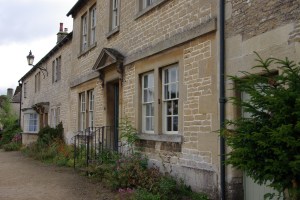
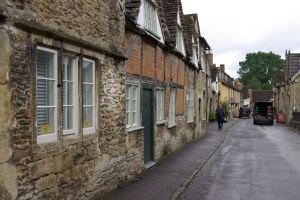
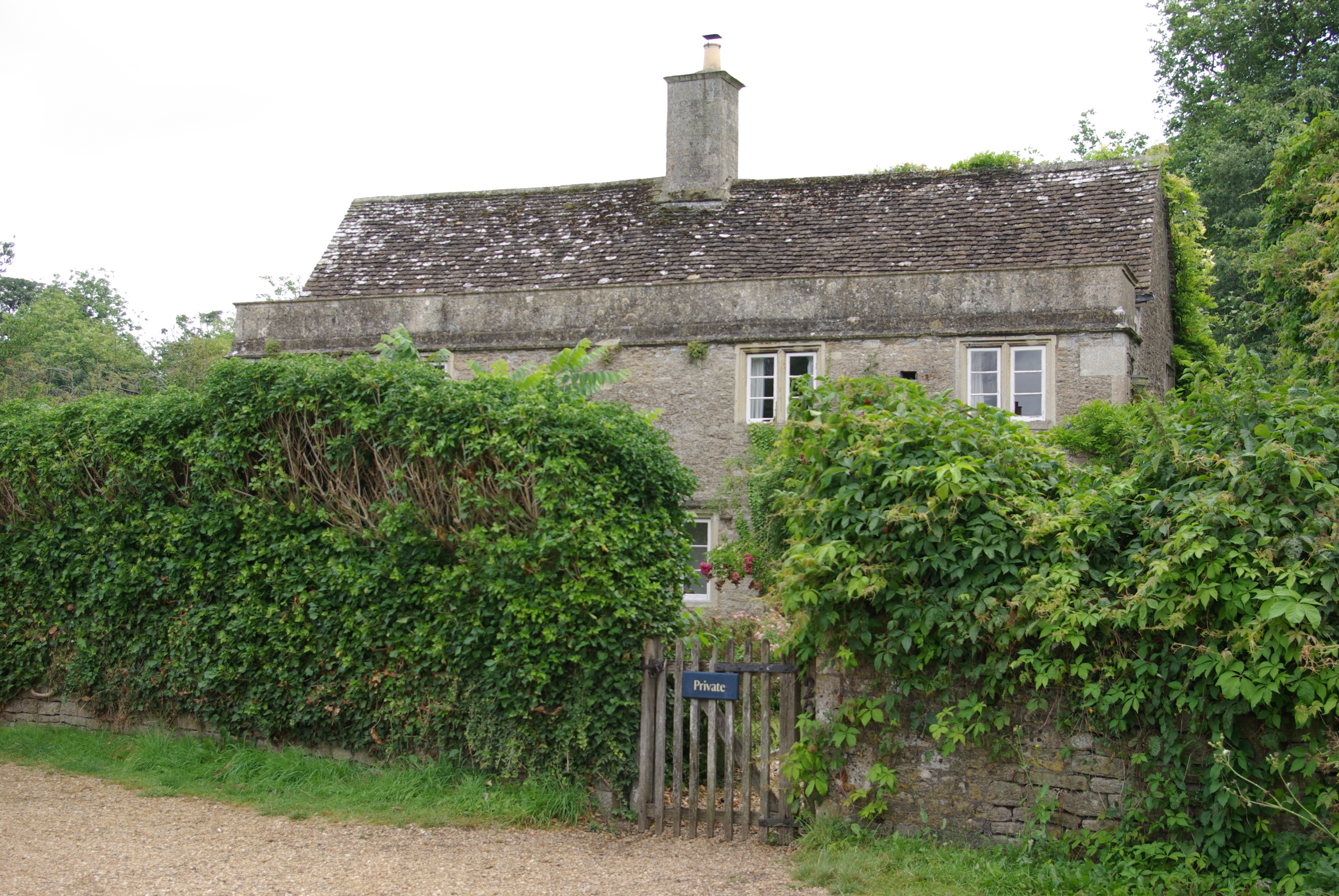
As an alternative, we decided to walk around the town. For those who aren’t familiar with Lacock, it is mentioned in the Domesday book and is one of the oldest villages in England. It has retained much of its old-world charm and as a result, has been used in multiple movies. From the 1995 Pride and Prejudice to Harry Potter, it is the perfect set for a movie no matter whether you want it set in the 18th century or the 21st century. In fact, there was a movie filming when we were in Lacock that day.

IMGP8867

The Potter’s House in Godric’s Hollow

We walked down and attempted to see the older road through Lacock, but crews were filming, so our access was very limited. We walked around and looked from the end of the road, and then walked back. A very nice gentleman, who was part of the security crew, told us where James and Lily Potter’s house was from Godric’s Hollow, so we tried to get around the film crew to see it. Fortunately, we had success and took several photos.

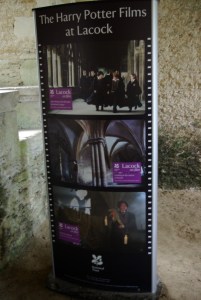
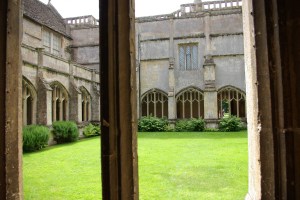
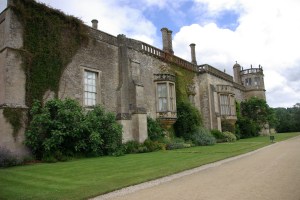
My children and I then checked in at the abbey to walk around it. The grounds are lovely and there are gardens and walks we didn’t have time to see, but my children thoroughly enjoyed the ground floor of the abbey. There were pictures from Harry Potter and they could see which rooms were used in the film by the picture.

Upon the dissolution of the monasteries by Henry VII, Lacock Abbey was sold to William Sherrington and was later bequeathed to the Talbot family, who were relations by marriage. As a result, the abbey was a home, and that part is still preserved by the National Trust as well. We toured the inside which included a costume exhibit, and then made our way back to the car park in order to continue our drive to Devon.

I want to go back to Lacock and see what I missed when no film crews are there!


Next up… Lyme Regis!